
Immune & Antioxidant Synergy Mechanisms
Zinc & Selenium: Immune Cell Development
Essential minerals for immune cell maturation and antiviral defense
Zinc (20mg) is essential for lymphocyte development, natural killer cell activity, and antibody production. It supports over 300 enzymatic reactions critical to immune function. Selenium (100µg) activates glutathione peroxidase and other antioxidant enzymes protecting immune cells from oxidative damage. Together, they enhance innate immunity and support appropriate inflammatory responses during infection.
Curcumin + BioPerine: Anti-Inflammatory & Immune Balance
2000% bioavailability enhancement for maximum anti-inflammatory effectiveness
Curcumin powerfully suppresses NF-κB—the master inflammatory switch—reducing pro-inflammatory cytokines and supporting healthy inflammatory responses critical for balanced immunity. BioPerine (standardized piperine from black pepper) inhibits glucuronidation enzymes, dramatically increasing curcumin absorption by up to 2000%. This enhanced bioavailability ensures therapeutic blood levels of curcumin, making it clinically effective for reducing immune-related inflammation and supporting overall wellness.
Vitamin A Mucosal Barrier Integrity
Maintains epithelial barriers and supports antibody responses
Vitamin A (3,000 IU) is critical for maintaining mucosal barriers in respiratory, digestive, and urogenital tracts—the first line of immune defense. It supports T-cell differentiation, antibody production (particularly IgA), and epithelial cell regeneration. Vitamin A deficiency impairs immune responses to infection, making supplementation essential for comprehensive immune support.
Antioxidant Network Protection
Vitamins C and E protect immune cells from oxidative stress
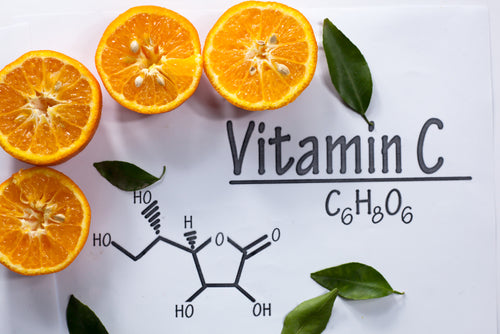
Vitamin C (250mg) and vitamin E (70mg) function synergistically to protect immune cells from reactive oxygen species generated during immune responses. Vitamin C regenerates oxidized vitamin E, creating a powerful antioxidant network. Both vitamins support neutrophil function, enhance natural killer cell activity, and maintain lymphocyte integrity during infection, supporting optimal immune function under physiological stress.
Resveratrol + Curcumin: Polyphenol Immune Defense
Dual polyphenol activation of antioxidant pathways and inflammatory balance
Resveratrol activates SIRT1 longevity pathways and Nrf2-dependent antioxidant systems, supporting immune cell function and cellular stress resistance. When combined with curcumin, these two polyphenols work synergistically—resveratrol enhances curcumin's anti-inflammatory effects while curcumin potentiates resveratrol's antioxidant benefits. Both compounds support healthy aging, cellular stress resistance, and immune system balance. BioPerine enhances absorption of both polyphenols, ensuring maximum bioavailability and therapeutic effectiveness.
Complete Spectrum: Immune + Antioxidant Coverage
Multi-pathway cellular protection and immune optimization
This bundle delivers true comprehensive support: zinc and selenium drive immune cell development, vitamin A maintains mucosal barriers, vitamins C and E provide antioxidant protection for immune cells, while curcumin and resveratrol reduce immune-related inflammation and activate endogenous antioxidant systems. This multi-pronged approach ensures immune defense is supported through mineral cofactors, antioxidant protection, and anti-inflammatory balance—all three pillars critical for robust immune health and cellular defense.
Six Pathways to Immune & Cellular Health
Immune Cell Development
Zinc and selenium support T-cell and B-cell development, natural killer cell activity, and antibody production—the foundation of adaptive immunity
Antioxidant Cellular Protection
Vitamins C, E, curcumin, and resveratrol provide broad-spectrum antioxidant defense protecting immune cells and all cellular structures from free radical damage
Anti-Inflammatory Support
Curcumin suppresses NF-κB and reduces inflammatory cytokines, supporting healthy inflammatory responses without suppressing normal immune function
Mucosal Barrier Protection
Vitamin A maintains respiratory and digestive tract epithelial integrity, preventing pathogen entry while supporting secretory IgA production
Antiviral Defense Mechanisms
Selenium supports antioxidant enzymes protecting immune cells, while zinc inhibits viral replication and supports interferon production
Enhanced BioPerine® Absorption
BioPerine increases curcumin and resveratrol bioavailability by up to 2000%, ensuring therapeutic blood levels and maximum immune-supporting effectiveness