
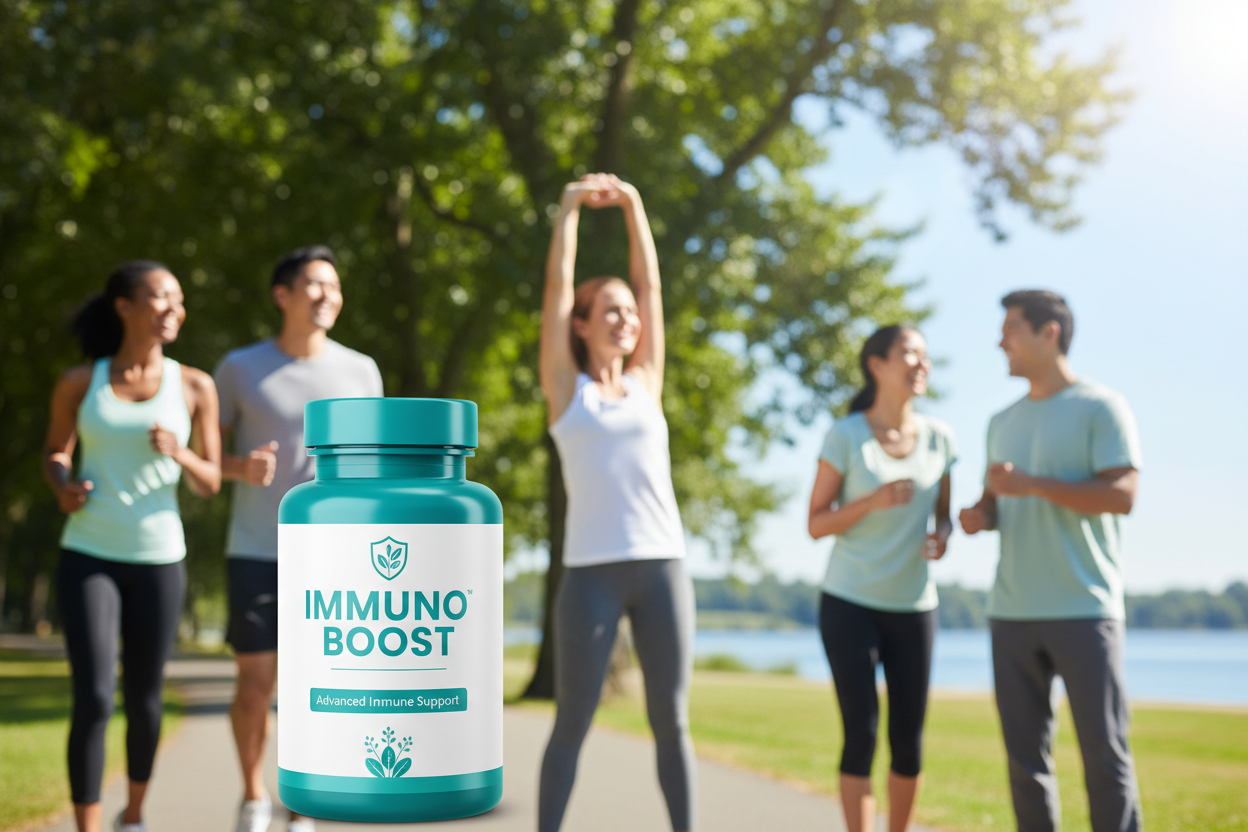
Do you find yourself caught in a cycle of feeling run down? In the search for lasting vitality, the path can feel overwhelming, lined with endless aisles of supplements and conflicting advice. It's natural to question which claims are true and which products are genuinely worthy of your trust and wellbeing.
Building a resilient body isn't about guesswork; it's about making informed, intentional choices. This guide cuts through the noise, offering a clear path to understanding the most relevant natural immune support supplements and how to incorporate them into your daily routine. We will explore the published evidence behind foundational vitamins, minerals, and botanicals, and help you choose high-quality products with confidence. Always read the label and follow the directions for use. If symptoms persist, talk to your health professional.
Key Takeaways
- Learn how your immune system's two distinct branches work in harmony to maintain your general health and vitality.
- Identify the essential, research-informed vitamins and minerals that support immune system function — including Vitamin C, Vitamin D, zinc, and selenium — when dietary intake is inadequate.
- Understand why nutritional supplements for immune system health are most effective as part of a broader lifestyle approach that includes restorative sleep, balanced nutrition, and stress management.
- Discover the key markers of a high-quality supplement in Australia, including AUST L TGA listing, disclosed ingredient forms and quantities, and Australian GMP manufacture.
Understanding Your Immune System: The Foundation of Wellness
Your body is protected by an intricate defence network that constantly works to maintain your vitality. For a comprehensive overview, the scientific community offers deep insights into how the immune system works, but its function can be understood through two core branches: your immediate, innate defences and your long-term, adaptive responses.
Innate Immunity: Your First Line of Defence
Your innate immunity consists of physical barriers — skin and mucous membranes — that block invaders from entering. Should anything breach these barriers, general-purpose immune cells including macrophages and natural killer cells are dispatched to contain the threat. This response is swift, non-specific, and essential for immediate general protection.
Adaptive Immunity: Your Body's Intelligent Response
When a new threat appears, your body calls on the adaptive immune system: a specialised branch involving T-cells and B-cells that learn to identify specific pathogens. B-cells produce antibodies that help neutralise invaders, and your adaptive system retains memory of previous exposures for a faster future response. This adaptive capacity is central to long-term immune system health.
What Can Challenge Immune Health?
Several lifestyle factors may challenge optimal immune function:
- Poor Sleep: Insufficient rest may reduce the production of protective immune cells and proteins.
- Chronic Stress: Prolonged stress elevates cortisol, which may influence immune system function over time.
- Nutrient-Poor Diets: A lack of essential vitamins and minerals may deprive immune cells of nutritional co-factors they require.
- A Sedentary Lifestyle: Regular moderate exercise supports immune cell circulation.
While a balanced lifestyle is the foundation, targeted natural immune support supplements can play a supportive role — replenishing key nutrients and supporting immune system health when dietary intake is inadequate.
Foundational Vitamins & Minerals for Immune System Health
Before exploring botanicals, it's important to ensure your body has the foundational nutritional building blocks for immune system health. A diet rich in whole foods is the first step, but achieving adequate levels of all key nutrients through diet alone can be challenging. The National Institutes of Health provides detailed information on nutrients that support immune function. Vitamin and mineral supplements can only be of assistance if dietary intake is inadequate.
Vitamin C: Antioxidant Support for Immune Health
Vitamin C is a potent antioxidant that supports immune system health by contributing to various cellular functions. It supports the general health of white blood cells, including lymphocytes and phagocytes, and provides antioxidant protection for these immune cells against free radical damage. Vitamin C is a TGA-permitted indication for immune system support when dietary intake is inadequate — a permitted indication for Zenutri C E B Optima (AUST L 521487), which provides calcium ascorbate dihydrate 304mg (equiv. Vitamin C 250mg).
- Food sources: Citrus fruits, capsicum, broccoli, strawberries, and kiwifruit.
Vitamin D: Immune System Support
Vitamin D plays a role in general immune system function. With many Australians experiencing insufficient Vitamin D levels — particularly during winter or due to indoor lifestyles — maintaining adequate nutritional status is an important consideration. Dietary food sources of Vitamin D are limited, making supplementation a practical approach for many Australians. Vitamin D for immune system support is a TGA-permitted indication for complementary medicines at appropriate doses.
Zinc: Mineral Support for Immune Function
Zinc is an essential mineral with a well-established role in supporting immune cell development and function, including T-cells. Zinc also supports the integrity of skin and mucosal barriers — your first-line physical defences. Adequate zinc nutritional status supports normal immune system function. Zenutri Immunaxis (AUST L 521494) provides zinc glycinate 65.3mg (equiv. zinc 20mg) — the glycinate form selected for its superior absorption over oxide forms per published research.
- Food sources: Oysters, red meat, poultry, beans, nuts, and seeds.
Selenium: Antioxidant Mineral Support
Selenium is a trace mineral that provides antioxidant support, helping to reduce free radicals formed in the body — a TGA-permitted indication. It works alongside other antioxidants, such as Vitamin E, to support general cell membrane protection. Adequate selenium nutritional status supports immune system health when dietary intake is inadequate. Zenutri Immunaxis (AUST L 521494) provides selenomethionine 250mcg (equiv. selenium 100mcg). Mandatory warning: This medicine contains selenium which is toxic in high doses. A daily dose of 150 micrograms for adults of selenium from dietary supplements should not be exceeded. Ensure you account for selenium from all dietary supplement sources.
Beyond the Basics: Antioxidants and Botanicals for General Wellbeing
Vitamins and minerals form the nutritional foundation for immune system health, but plant-based compounds also contribute to cellular antioxidant defence and general wellbeing. Exploring these botanicals is relevant to building a comprehensive nutritional approach alongside natural immune support supplements.
The Role of Antioxidants in Supporting Cellular Health
Oxidative stress from free radicals may affect immune cells alongside other body cells. Antioxidants are protective compounds that help reduce free radicals formed in the body — a TGA-permitted indication across complementary medicines. By supporting the cellular environment of immune cells, antioxidant nutrition may contribute to general immune system health. Relevant botanical antioxidants include:
- Quercetin: A plant flavonoid that supports antioxidant activity and general inflammatory response management.
- Astaxanthin: A carotenoid with published antioxidant properties for general cell membrane protection.
Adaptogens: Supporting Stress Resilience and General Wellbeing
Chronic stress may influence immune function by elevating cortisol levels over time. Adaptogenic herbs help support the body's general stress response and resilience. Published research on adaptogens like Ashwagandha and Reishi mushroom documents traditional use and general wellbeing support. Harvard Health provides a useful overview of how lifestyle factors underpin immune health. Supporting the body's stress response through both lifestyle practices and adaptogenic botanicals may complement a broader nutritional immune health routine.
A Targeted Nutritional Bundle
Individual nutritional ingredients may provide more comprehensive support when combined in a formula that addresses multiple permitted indication dimensions simultaneously. The Immune & Antioxidant Bundle (Immunaxis AUST L 521494 + C E B Optima AUST L 521487) provides zinc, selenium, and Vitamin A for immune system health support alongside Vitamin C and natural mixed tocopherols for antioxidant activity — all TGA-listed, Australian-made, and independently verifiable on the ARTG.
A Holistic Approach: Lifestyle Practices and Nutritional Support
True vitality comes from a complete wellness approach, not a single supplement. While quality TGA-listed nutritional supplements are a valuable addition, their contribution is most meaningful when built upon solid lifestyle foundations. Nurturing your body from every angle is the basis of lasting general health.
Nourish Your Body with a Balanced Diet
A diet rich in colourful fruits and vegetables, whole grains, and lean proteins provides the essential vitamins and antioxidants that support immune cell nutritional requirements. A healthy gut microbiome is central to general immune health, so incorporating probiotic-rich foods like yoghurt and kimchi supports this foundation. Limiting processed foods, refined sugars, and excessive alcohol reduces the general inflammatory and oxidative load that can challenge immune system health. Vitamin and mineral supplements can only be of assistance if dietary intake is inadequate and should not replace a balanced diet.
The Restorative Power of Sleep
Restorative sleep supports immune health — it is during these hours that the body produces protective cytokines and consolidates immune memory. Consistent sleep deprivation may reduce this protective protein production. To support quality sleep:
- Aim for 7–9 hours of consistent, high-quality sleep.
- Create a calm, dark, and cool sleeping environment.
- Avoid screens for at least an hour before bed to support natural melatonin production.
Mindful Stress Management
Chronic stress may elevate cortisol levels, influencing immune function over time. Simple daily practices like meditation, mindful breathing, walking in nature, or yoga can support the body's stress response and help maintain a general state of balance where immune function and nutritional supplementation work most effectively together. Discover how Zenutri's TGA-listed formulas can support your holistic wellness routine.
Choosing Quality Supplements: What to Look For in Australia
As you explore natural immune support supplements, becoming an informed consumer empowers better choices. In Australia, the regulatory framework provides meaningful quality assurance, and understanding its scope helps you evaluate products accurately.
TGA-Listed: The Australian Quality Standard
In Australia, the Therapeutic Goods Administration (TGA) is the government authority responsible for regulating therapeutic goods including supplements. When a product is TGA-listed (AUST L number on label), it confirms that the product was manufactured in a cGMP-licensed facility, that the ingredients meet safety requirements for listed medicines, and that the label accurately represents the contents as declared by the sponsor under the Therapeutic Goods Act 1989. Important note: AUST L listing confirms safety and manufacturing quality, but does not involve pre-market assessment of clinical efficacy — the TGA does not review the evidence for health claims before listing. The AUST L number is the essential starting point for quality assurance. For full detail on what TGA listing does and does not guarantee, see the TGA supplements article in this series. Zenutri proudly holds individual AUST L numbers for all seven products, all verifiable at tga.gov.au/resources/artg.
Bioavailability and Research-Informed Doses
A quality supplement addresses both ingredient form and dose:
- Bioavailability: The form of a nutrient determines how well it is absorbed. Zenutri uses zinc glycinate (superior absorption vs oxide), magnesium amino acid chelate (superior absorption vs oxide per Gröber 2015), and selenomethionine (the organic form with highest bioavailability evidence).
- Research-informed doses: Ingredients at doses consistent with published research provide meaningful nutritional support rather than trace amounts. Transparent labelling of individual ingredient forms and quantities is the mark of a quality formulation.
Personalisation: Tailoring Support to Your Needs
While foundational nutrients support general immune health broadly, your specific nutritional priorities depend on your age, diet, medications, and health context. To discover the natural immune support supplements most relevant to your needs, take the free Zenutri health quiz for a personalised recommendation.
Your Nutritional Foundation for General Immune Health
Supporting immune system health is a holistic undertaking — a combination of a nourishing lifestyle and targeted nutritional support of vitamins, minerals, and botanical antioxidants. Consistent daily practice produces more meaningful nutritional outcomes than intermittent supplementation. By understanding the published evidence and choosing products with integrity and transparency, you support your body's general health with confidence.
When you are ready to elevate your daily routine, explore Zenutri's TGA-listed Australian-made formulas — built on research-informed ingredient selection, individually disclosed doses, and transparent AUST L registration. Explore the Zenutri Immune & Antioxidant Bundle (AUST L 521494 + 521487) and discover a quality nutritional foundation for immune system health support.
Vitamin and mineral supplements can only be of assistance if dietary intake is inadequate and should not replace a balanced diet. Always read the label and follow the directions for use. If symptoms persist, talk to your health professional.
Frequently Asked Questions
Can I get all the immune-supporting nutrients I need from diet alone?
A whole-foods diet is the foundation of immune health. However, modern dietary patterns and lifestyle factors can create nutritional gaps in key immune-relevant nutrients including zinc, selenium, and Vitamin C. A quality TGA-listed supplement supports nutritional adequacy in these areas when dietary intake is insufficient. Vitamin and mineral supplements can only be of assistance if dietary intake is inadequate and should not replace a balanced diet.
How long does it take for immune support supplements to contribute to general wellbeing?
Nutritional benefits are cumulative. While some individuals may notice general wellbeing improvements within a few weeks of consistent supplementation, the most meaningful nutritional contribution comes from sustained daily use over months. Consistently providing your body with the nutritional resources it requires supports immune system health over the long term. Always read the label and follow directions for use.
Is it possible to take too much of a certain vitamin, like Vitamin C or Zinc?
Balance is important, and it is possible to exceed safe upper limits for certain nutrients. While excess water-soluble Vitamin C is typically excreted, very high amounts may cause digestive discomfort. Minerals like Zinc at excessive long-term doses may interfere with copper absorption. For selenium specifically, the mandatory TGA advisory for Immunaxis (AUST L 521494) states: this medicine contains selenium which is toxic in high doses — a daily dose of 150 micrograms for adults of selenium from dietary supplements should not be exceeded. Always adhere to the dosage directions on each product label and consult your healthcare professional.
Are natural immune supplements safe to take with other medications?
While Zenutri's TGA-listed formulations are manufactured to high quality standards, certain vitamins, minerals, and botanicals may interact with prescription medications. Always consult your healthcare professional or pharmacist before adding any new supplement to your routine, particularly if you take prescription medications. Always read each product's label for mandatory advisory statements before use.
What's the difference between 'immune-boosting' and 'immune-supporting'?
The TGA Advertising Code does not permit listed medicines to claim they "boost" immune function, as this language implies disease prevention or treatment beyond what listed medicine indications allow. "Supporting" immune system health is the appropriate permitted indication — providing your body with the nutritional resources it needs for general immune function when dietary intake is inadequate. This more accurately reflects what nutritional supplementation does: it addresses nutritional gaps, not pharmaceutical intervention.
Should I take immune support supplements every day or only when I feel unwell?
Consistent daily supplementation provides the most meaningful nutritional support. Nutritional adequacy is maintained through regular intake — starting supplementation only when you feel unwell means the nutritional gap has already developed. A proactive daily approach ensures consistent nutritional coverage year-round. Always read the label and follow the directions for use. If symptoms persist, talk to your health professional.
Important Information
Immunaxis (AUST L 521494): This medicine contains selenium which is toxic in high doses. A daily dose of 150 micrograms for adults of selenium from dietary supplements should not be exceeded. Vitamin A — when taken in excess of 3,000 micrograms of retinol equivalents per day, Vitamin A can cause birth defects. It may be harmful to your health to take this product in excess of the recommended amount. Not recommended during pregnancy.
C E B Optima (AUST L 521487): Contains nicotinamide. Vitamin B3 (nicotinamide) supplements can only be of assistance if dietary intake is inadequate. Always read the label.
Always read the label and follow the directions for use. If symptoms persist, talk to your health professional. Vitamin and mineral supplements can only be of assistance if dietary intake is inadequate and should not replace a balanced diet. These products are not intended to diagnose, treat, cure, or prevent disease.
References to published research are for general information only. Citation of a study does not imply that any Zenutri product has been evaluated in that study or replicates its outcomes. Individual results vary.
Zenutri Pty Ltd ACN 667 290 137. TGA Listed — AUST L 521487 · 521494. Made in Australia.
Ready to take action on your health?



اترك تعليقًا
This site is protected by hCaptcha and the hCaptcha Privacy Policy and Terms of Service apply.